-2.jpg?width=1920&name=Business%20Joensuu%20-%20Menestyksen%20Mindset%20-kasvutapahtuma%20(17)-2.jpg)
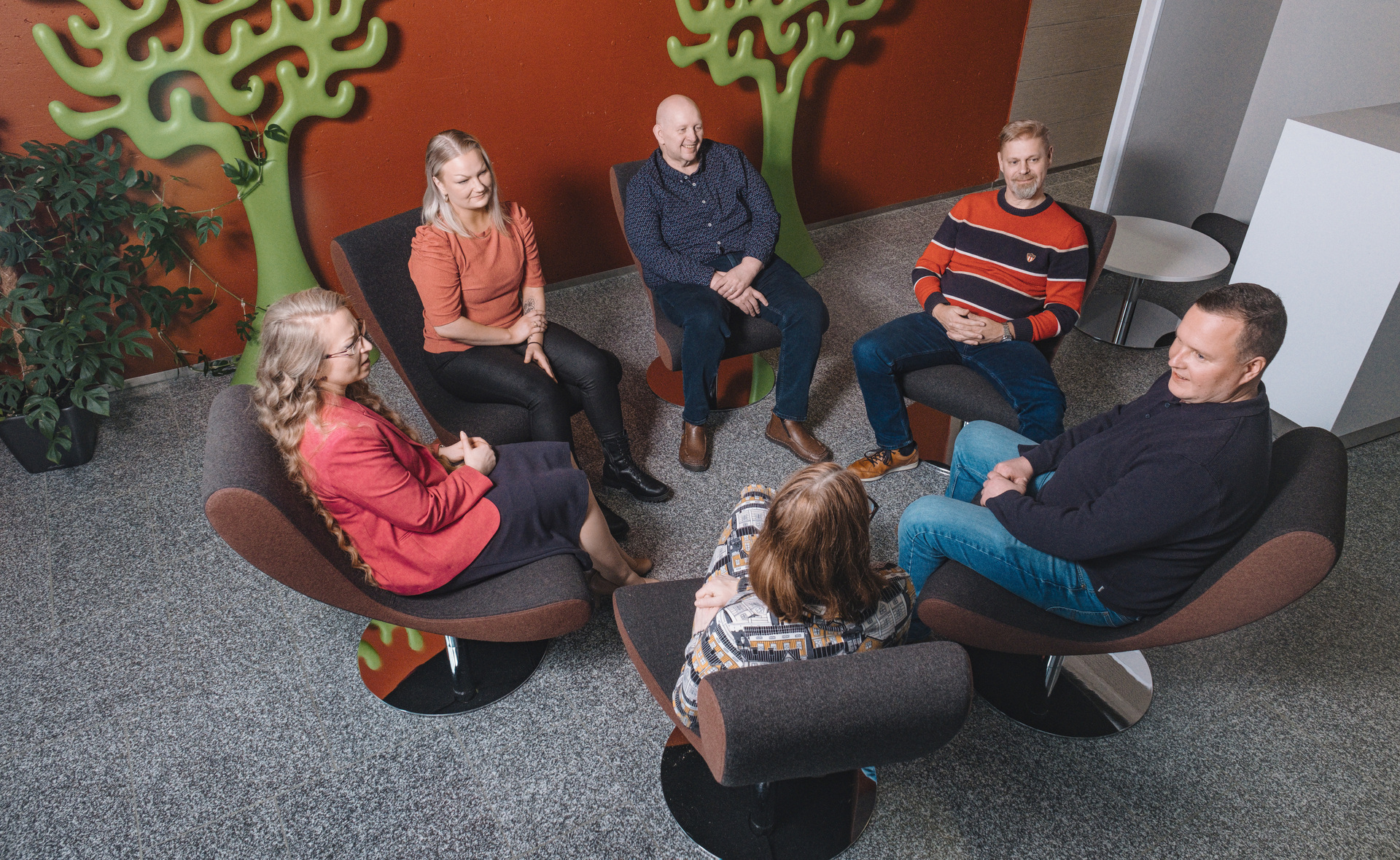
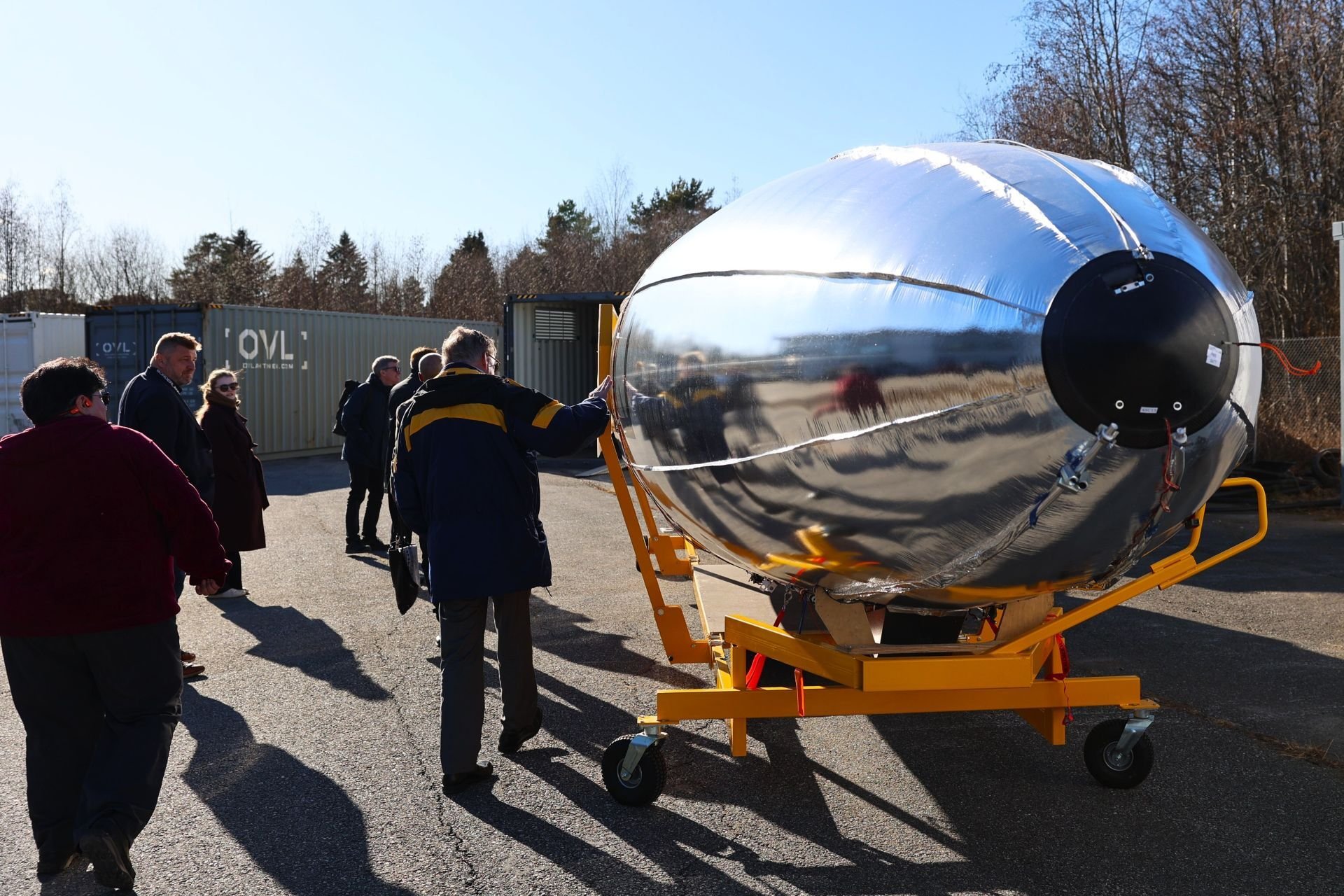
A group of international experts in surveillance and security technology visited the Joensuu region in mid-March to explore its testing and piloting capabilities and to plan upcoming testing activities.
The Borderland Europe Minidemo & Site Survey event brought together experts, research organisations and security sector actors from countries including the United States, the United Kingdom and Australia.
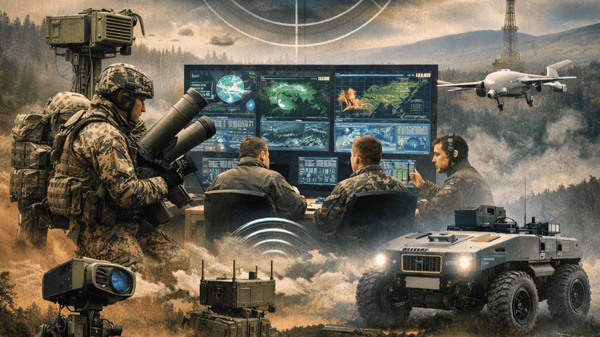
The five-day event is part of the broader Borderland Europe initiative, which aims to establish a European-level test platform in Finland for digital border security and dual-use technologies, focusing on non-lethal solutions.
According to consultant Pekka Sivonen, the visitors were particularly impressed by the quality of networking opportunities and potential partnerships identified during the week.
“They now understand what the conditions in the Joensuu region are really like – but also that we are capable of bringing in experts and equipment. The receiving end is ready and prepared,” Sivonen says.
One of the key outcomes of the week was the development of several concrete test concepts for the NATO Innovation Range testing event to be held in Finland in June. These concepts will be presented to NATO in the coming weeks.
During the visit, international delegations were able to see firsthand the environments where future testing and piloting can take place – including Joensuu Airport, the closed sawmill site in Kitee, and laboratories at the University of Eastern Finland.
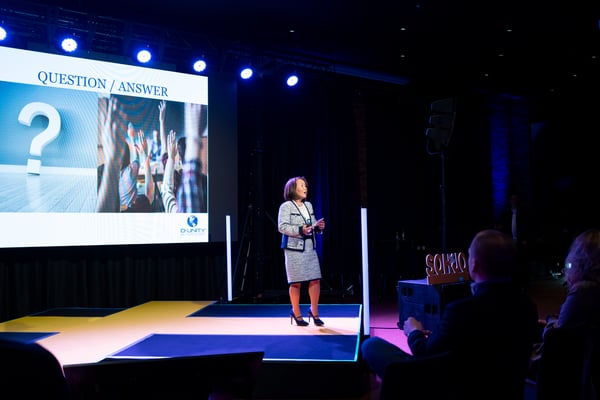
The visitors also explored Kelluu’s airship factory, RF-based mobile device detection technologies, and the region’s expertise and business opportunities in areas such as photonics and forest bioeconomy. The intensive week culminated in the SOHJO business event.
The diversity of sites and technological expertise made a strong impression, says Jarkko Surakka, NATO liaison at Business Joensuu.
“When you see the locations with your own eyes, the overall picture becomes completely different compared to just looking at presentations,” Surakka says.
Authentic test environment: constant signal interference and challenging conditions
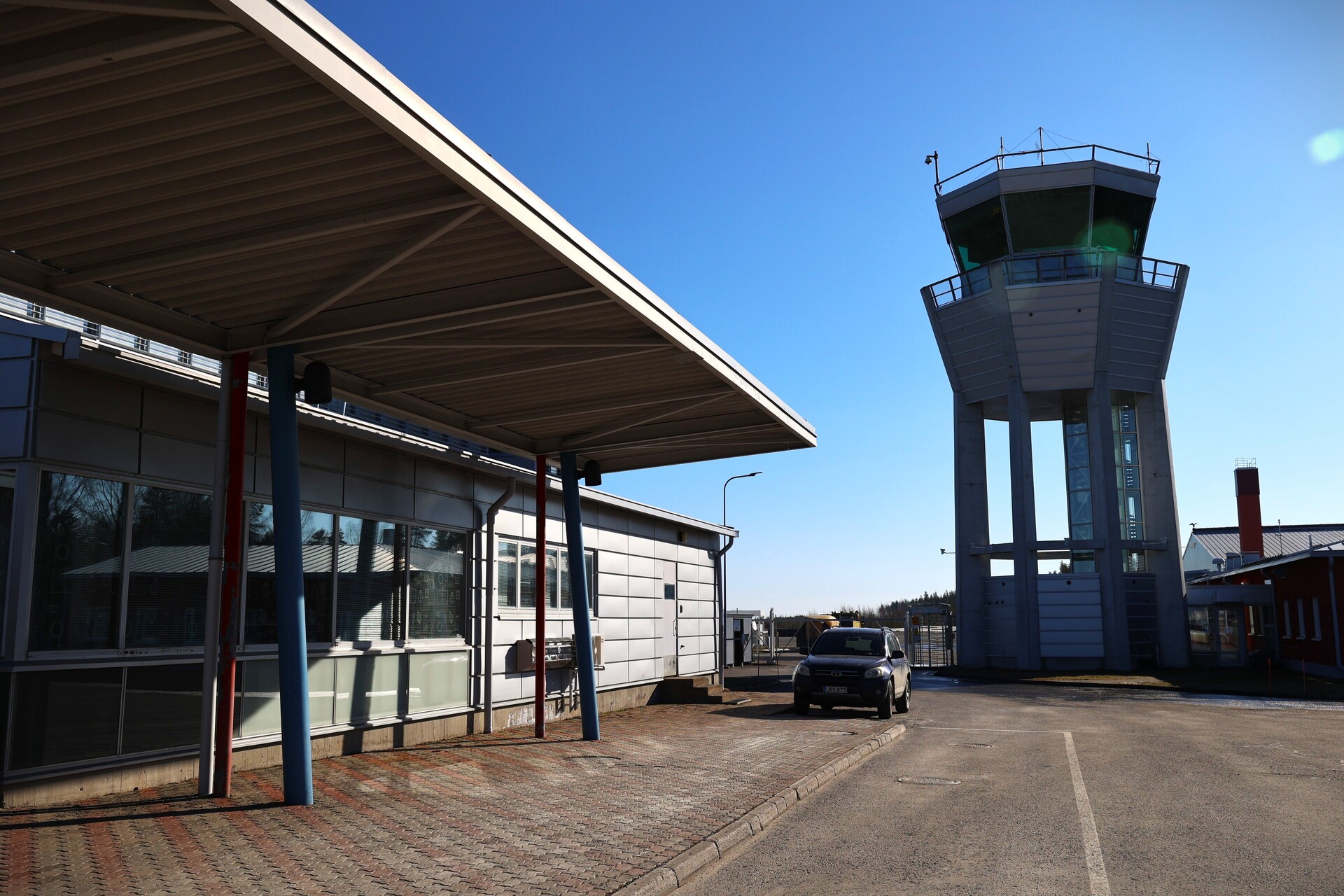
Caption: Joensuu Airport offers a rare advantage: its uncongested airspace allows testing activities that are not feasible in Central Europe.
The Joensuu region’s strength lies in its versatile and authentic testing environments. Airspace, waterways and terrain enable comprehensive development of new technologies. Signal interference and Arctic conditions are part of everyday reality.
Joensuu Airport, for example, offers a uniquely suitable testing environment on an international scale. The airspace is relatively uncongested, with significantly less traffic than in Central Europe. In countries like Germany, airspace is so crowded that testing would disrupt regular aviation operations.
At the same time, the airport operates according to the same procedures as busier airports, and its infrastructure is in excellent condition.
Future testing in Borderland Europe will include unmanned aerial systems, sensor technologies and communication systems. Cybersecurity and reliable data transmission are also central elements.
Kitee sawmill offers potential for a multi-agency training centre
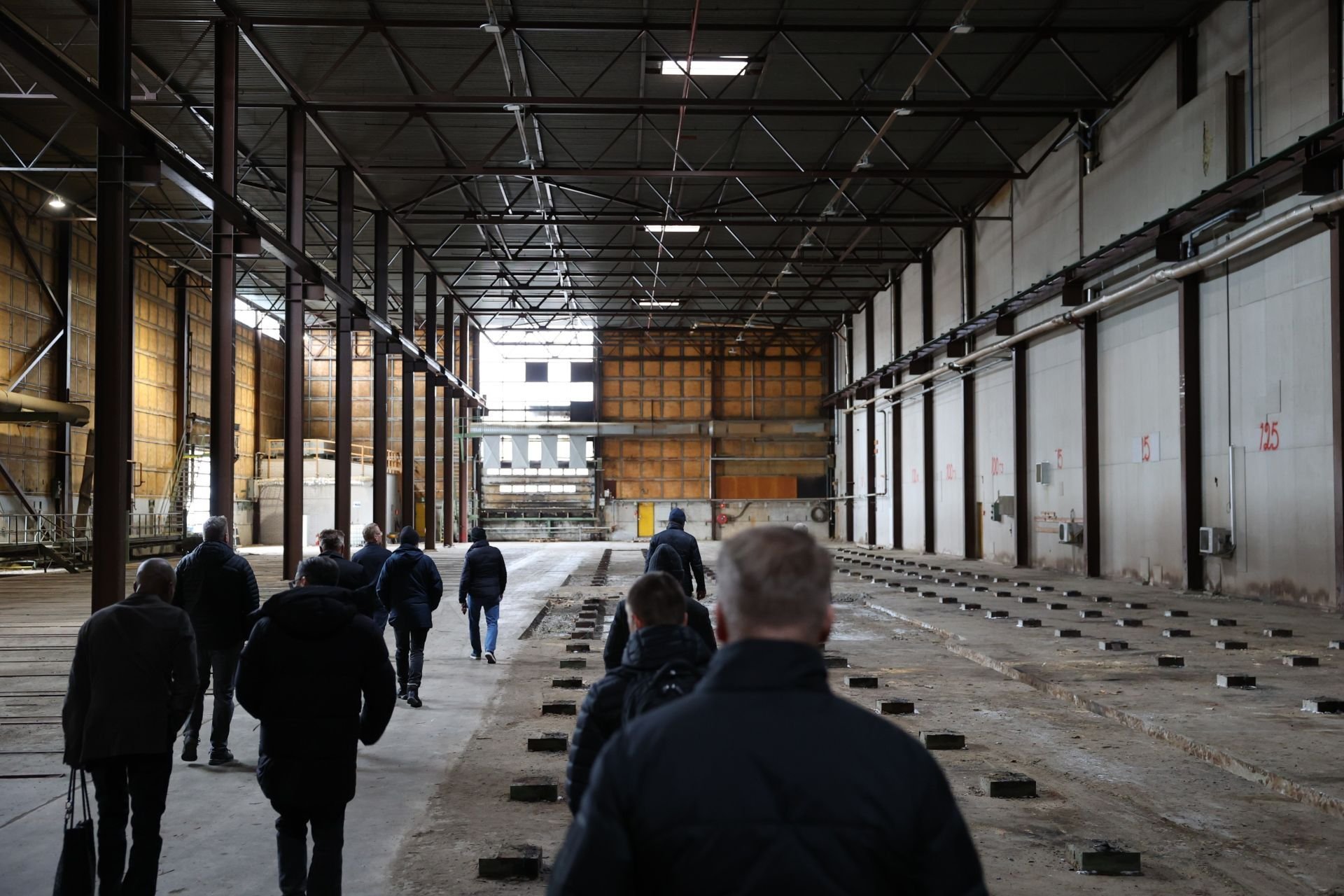
Caption: The Kitee sawmill site is located next to an inland port and rail connections.
One of the most promising locations is the former Stora Enso sawmill site in Puhos, Kitee, about an hour’s drive from Joensuu.
Business Joensuu advisor Pekka Sivonen conducted a study on new uses for the large facility. The findings suggest that the site could be transformed into a shared training and exercise centre for multiple authorities, potentially serving not only Finnish agencies but also organisations such as Frontex.
The idea emerged from discussions with the Finnish Border Guard.
“Here, realistic border security scenarios can be carried out on land, at sea and in the air. Building similar environments from scratch would cost tens of millions of euros,” Sivonen says.
The area enables simulations of border control, logistics and multi-agency cooperation, as well as the development of new technological solutions directly for operational needs. The site could also be used as a data centre or drone manufacturing facility.
Overall, the Puhos industrial area offers an exceptionally ready and versatile environment where companies can quickly establish operations.
The area benefits from strong connectivity, including access to the rail network, its own port with links to the Saimaa waterway, and the nearby Kitee airfield. The Puhos industrial area infrastructure—such as roads, rail and lighting—has recently been upgraded with EU funding. In addition, the area around Kitee airfield features driving and snowmobile tracks, a shooting range, and dog training facilities.
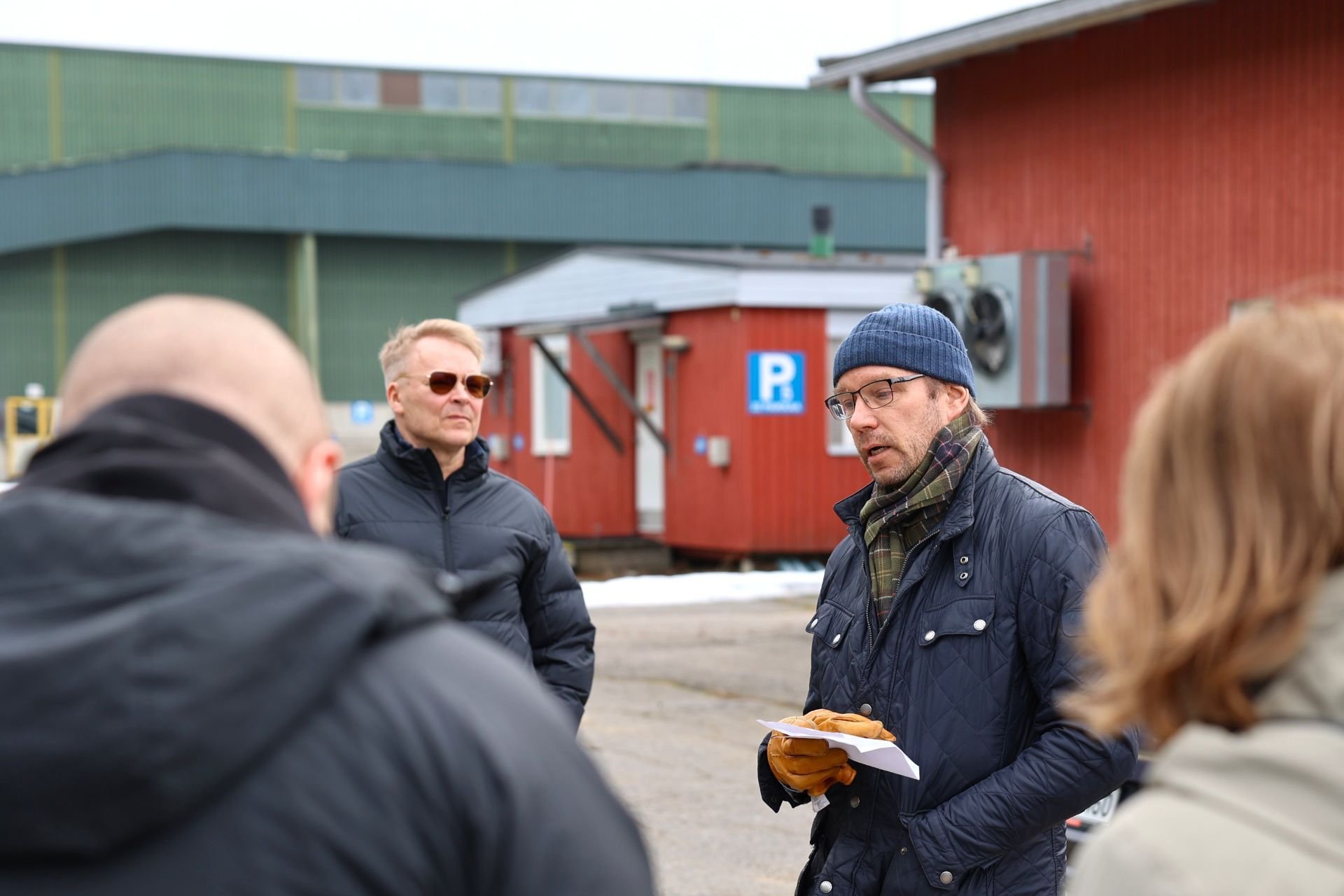
Caption: Stora Enso’s Property Manager Mika Anttila (right) presented the Kitee sawmill facilities to the delegations, alongside Pekka Hirvonen, Mayor of Kitee.
Toward continuous testing and development
Borderland Europe is part of the NATO Innovation Range (NIR) framework, and the first 10-day testing event is scheduled for June in Joensuu, Turku and Riihimäki.
While planning for the June event is still ongoing, Surakka notes that it may involve multi-location scenarios. For example, a command centre in Riihimäki could integrate data collected from Turku and Joensuu into a single situational picture.
“One of the biggest challenges today is turning vast amounts of data into a format that enables fast and reliable decision-making,” Surakka explains.
Around five NIR testing events are currently planned in Finland over the next year, with the potential for longer-term collaboration.
The Minidemo & Site Survey week serves as a launchpad for concrete test cases and pilot projects. The goal is to identify key use cases and build international R&D projects around them.
Long-term goal: an international testing hub
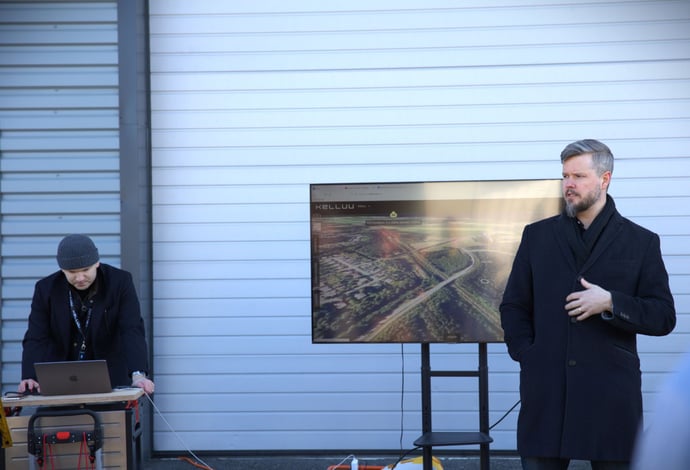
Caption: Kelluu CEO Janne Hietala shares experiences from participating in the NATO DIANA innovation programme.
The long-term objective of Borderland Europe is to build a continuous, year-round testing environment where technologies can be developed, tested and validated over extended periods – not just during isolated events.
“With new technologies, it’s essential to ensure that systems are reliable over months, not just a weekend,” Surakka emphasizes.
“This is not a single exercise, but a continuously evolving ecosystem that enables long-term testing and product development.”
At the same time, the initiative lays the foundation for new business opportunities. Testing services could grow into a significant global industry, bringing investments, talent and partnerships to the region.
According to Surakka, the global testing market is worth billions, and Borderland Europe could capture tens of millions of euros in testing-as-a-service business.
Pauliina Pikkujämsä, Director of Investment and Establishment Services at Business Joensuu, describes the week as highly productive and impactful, as it accelerated the development of the Borderland Europe testing environment.
“We are building meaningful cooperation that can extend from the Arctic Ocean to the Black Sea with key border security actors and companies. This brings major international partnerships, business opportunities, new technologies, research projects, investments and regional vitality,” Pikkujämsä says.
“This is a major opportunity for all of us.”
The Borderland Europe initiative provides testing environments for companies, research organisations and authorities to develop solutions for border security, comprehensive security and the protection of critical infrastructure. The network includes Business Joensuu (digital border security), Business Turku (maritime cluster and port operations), and the DEFINE innovation environment coordinated by the Riihimäki region. Borderland Europe is part of the NATO Innovation Range framework.
The project is co-funded by the EU and the Regional Council of North Karelia and is managed by Business Joensuu.
Photos: Annika Martikainen / Business Joensuu
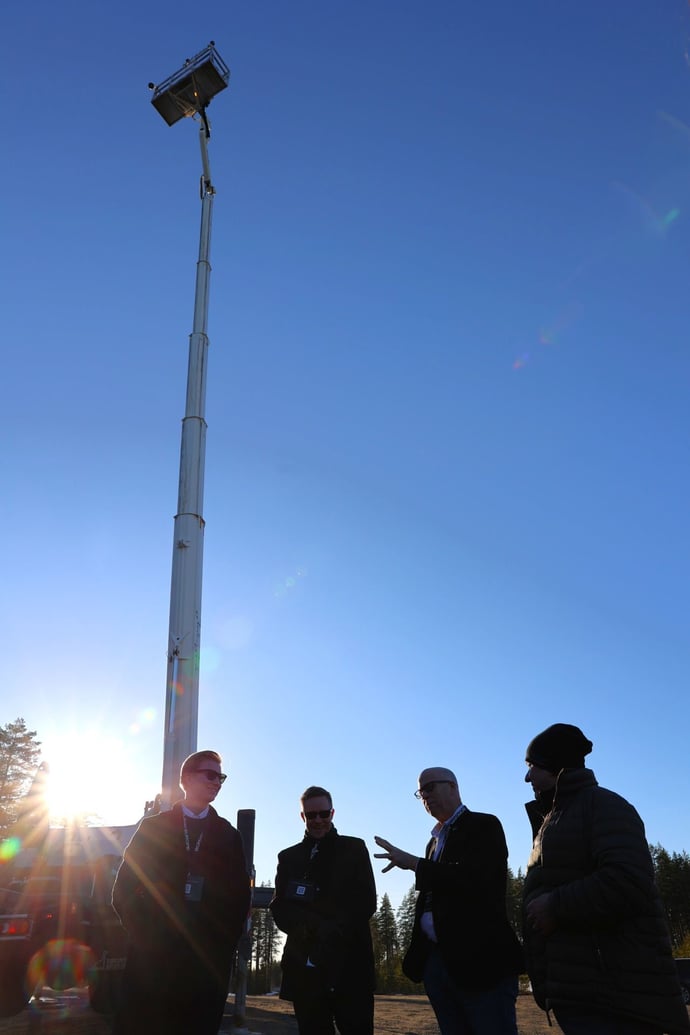
Caption: A proof of concept (PoC) for RF-based mobile device detection and localisation underway in Jaamankangas.
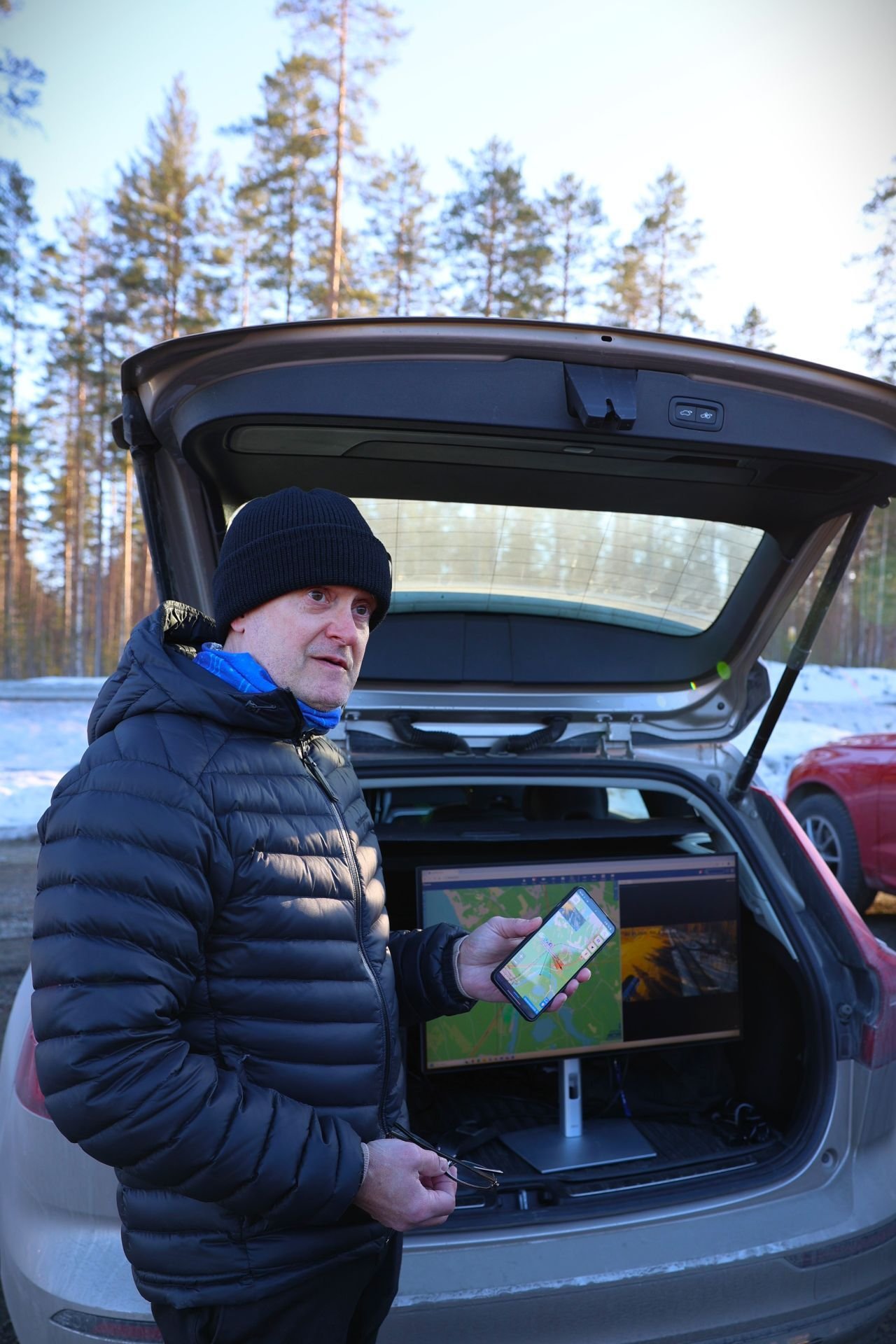 Caption: Antti Asiala from Insta Advance presenting the company’s technology.
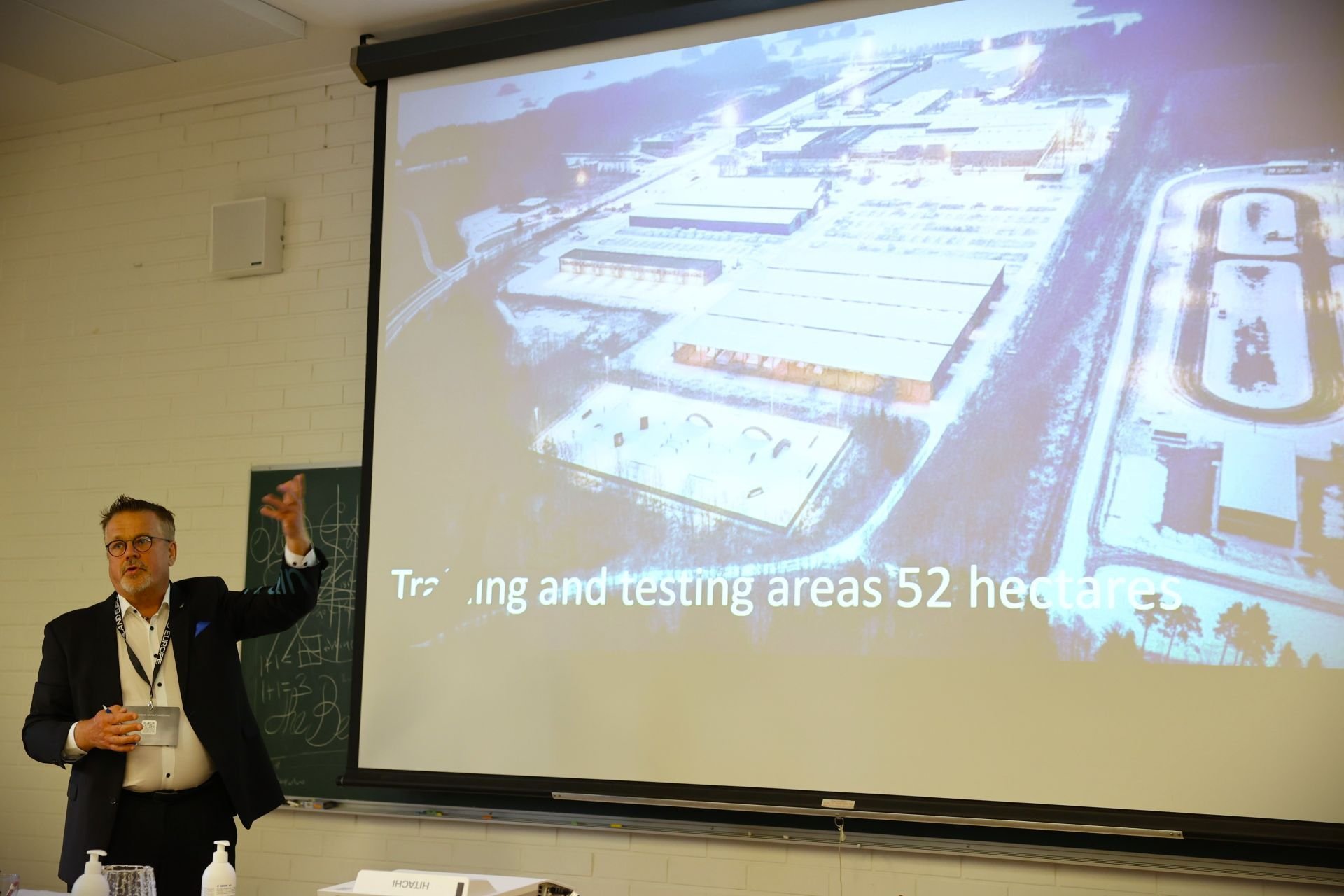
Caption: Pekka Sivonen presents a visual concept of the Kitee sawmill area’s potential to the visitors.