-2.jpg?width=1920&name=Business%20Joensuu%20-%20Menestyksen%20Mindset%20-kasvutapahtuma%20(17)-2.jpg)
The North Karelia Future Forum (Pohjois-Karjalan Tulevaisuusfoorumi) brought together a wide range of companies, investors, researchers and development actors in Joensuu on April 23, 2026, to build a shared vision for the region’s future. Discussions highlighted the need to increase bold investments in growth companies and to strengthen collaboration between businesses and research organizations.
Mikko Järvilehto, startup specialist at Business Joensuu and main organizer of the forum, summarized the key takeaways of the day. According to him, current public sector tools for developing the business environment are too slow for companies operating in fast-moving markets. He emphasized the importance of market understanding, rapid experimentation, risk-taking and accepting failure.
“We in the public sector need to be closer to the market, which requires understanding the pace and environment in which companies operate,” Järvilehto says.
Timo Ahopelto: Joensuu needs a “big bang”
Startup investor Timo Ahopelto focused on how North Karelia could produce unicorns—companies valued at over one billion dollars. He highlighted the importance of strong local ecosystems, which often grow around a few breakthrough companies.
“Supercell was the big bang that sparked the rise of startups in Finland. Joensuu now needs a similar big bang,” says Ahopelto, whose venture capital firm Lifeline Ventures was among the first to invest in Supercell.
In practice, the Joensuu region should aim to rapidly develop 1–3 high-growth companies as the core of its ecosystem, supported by the University of Eastern Finland and the wider research community. He also stressed the importance of encouraging students and researchers to pursue entrepreneurship and bold, unconventional ideas—citing satellite company ICEYE, which originated from a student project at Aalto University.
Ahopelto also follows the growth of Joensuu-based airship company Kelluu with interest.
As Finland’s government is currently holding its budget framework negotiations, Ahopelto emphasized that capital should be redirected more strongly toward renewing investments to drive economic growth. Currently, much of the capital in public and pension funds is tied to conservative investments. As a solution, he suggests introducing tax incentives for investing in unlisted growth companies, similar to models used internationally.
University of Eastern Finland strengthens its TKI focus
Anu Liikanen’s role at the University of Eastern Finland reflects a clear strategic shift toward research, development and innovation (RDI). She leads the university’s new Research and Innovation Services unit, which brings together previously separate functions under one structure.
Liikanen is responsible for research funding, industry collaboration, innovation activities and doctoral training support. She sees a clear direction for the future of RDI:
“There is an increasing expectation that research must generate greater impact—whether in economic growth or societal well-being. This is also reflected in funding instruments such as the EU’s Horizon programme,” Liikanen says.
She encourages regional actors to secure a larger share of Horizon funding, which requires collaboration both locally and with European partners. At the same time, she emphasizes the continued importance of fundamental research:
“New innovations rarely come from predefined themes—they emerge from areas that have not yet been explored.”
€200,000 written off – a Joensuu startup pivots and succeeds
Joonas Tahvanainen, founder of Joensuu-based software company Kodia, shared the company’s journey from a risky pivot to a successful exit. Initially, the team developed software for residential construction, but market traction remained limited. At the same time, they identified a stronger opportunity in rental market solutions.
“After one and a half years and €200,000, we made a tough decision: we scrapped the construction product and fully focused on the rental market,” Tahvanainen explains.
This decision led to the creation of Kodia, which offers digital solutions for rental and property management. Business Joensuu’s Star Up Fund invested €100,000 in Kodia in 2022, and the company also received significant support from regional funding bodies.
“It has truly mattered that Business Joensuu and the ELY Centre believed in us and supported us with over half a million euros,” Tahvanainen says.
Following interest from software company Visma Sirius, Kodia engaged a professional advisory team to manage the acquisition process. The deal attracted international and domestic interest, creating a competitive situation. Visma Sirius acquired Kodia at the end of 2025.
The North Karelia Future Forum was held for the second time and gathered 100 participants at Joensuu Science Park. The event was organized as part of the Innokaupunki 3 project, co-funded by the EU and the Regional Council of North Karelia.
Co-organized by:
Business Joensuu
Finnvera
Regional Development Services of Eastern Finland
University of Eastern Finland (UEF)
City of Joensuu
Joensuu Entrepreneurship Society (JoES)
Karelia University of Applied Sciences
Kontioloikka
Lipertek
North Karelia Chamber of Commerce
Regional Council of North Karelia
North Karelia Entrepreneurs
Startup Joensuu
Main image caption:
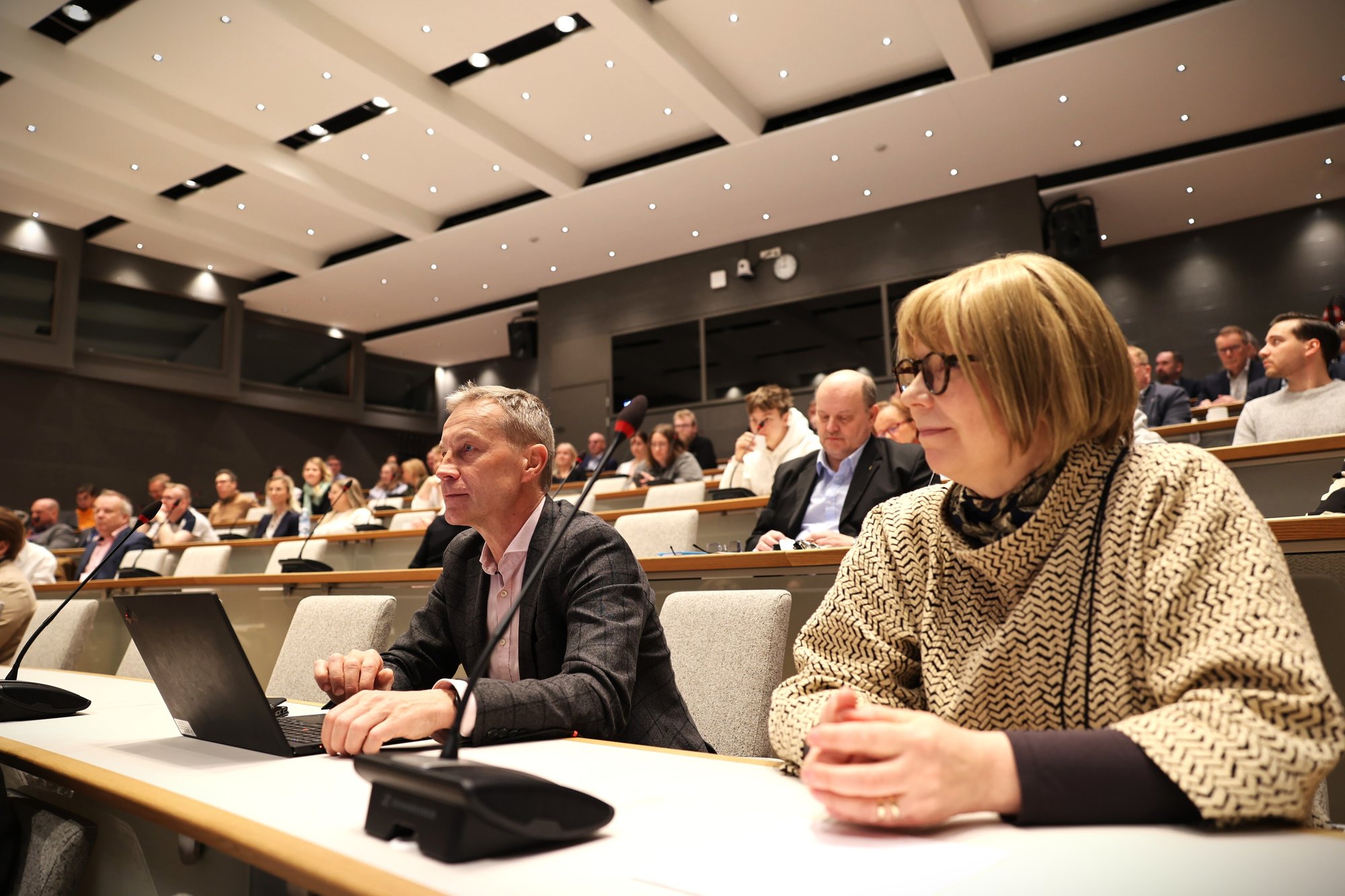
Mayor of Joensuu Jere Penttilä and Senior Scientist at VTT Tiina Apilo attended the North Karelia Future Forum.
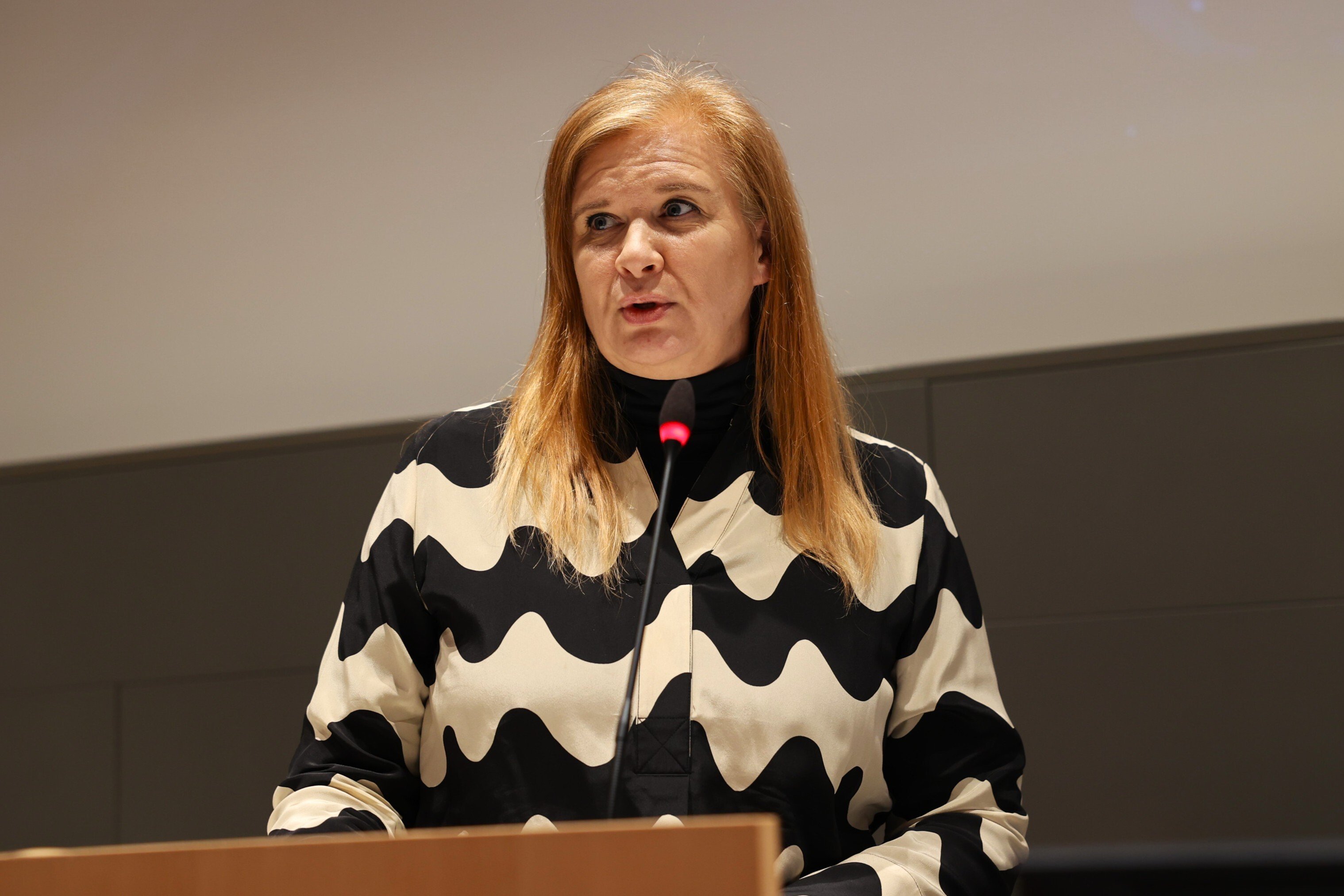
Anu Liikanen, University of Eastern Finland
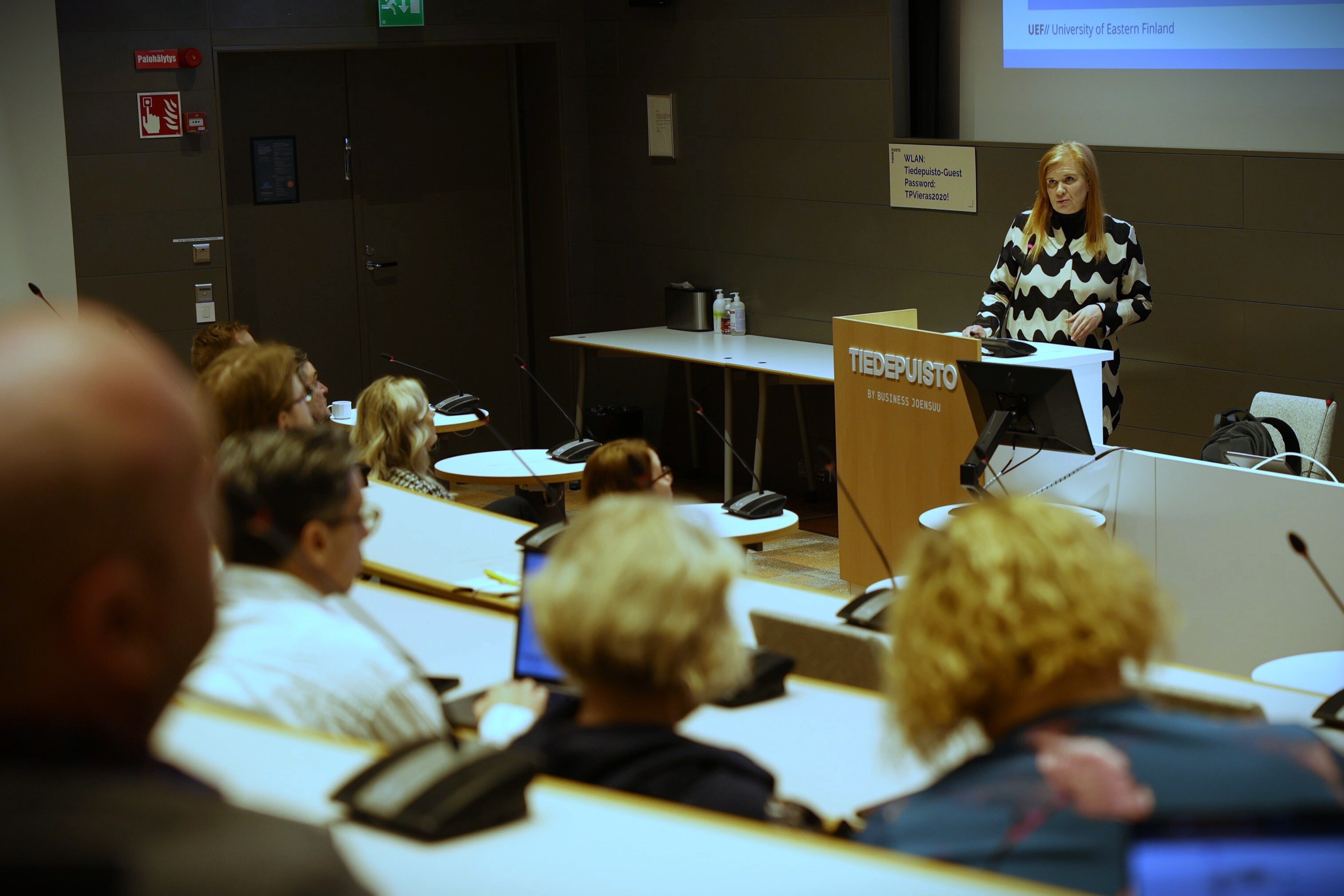
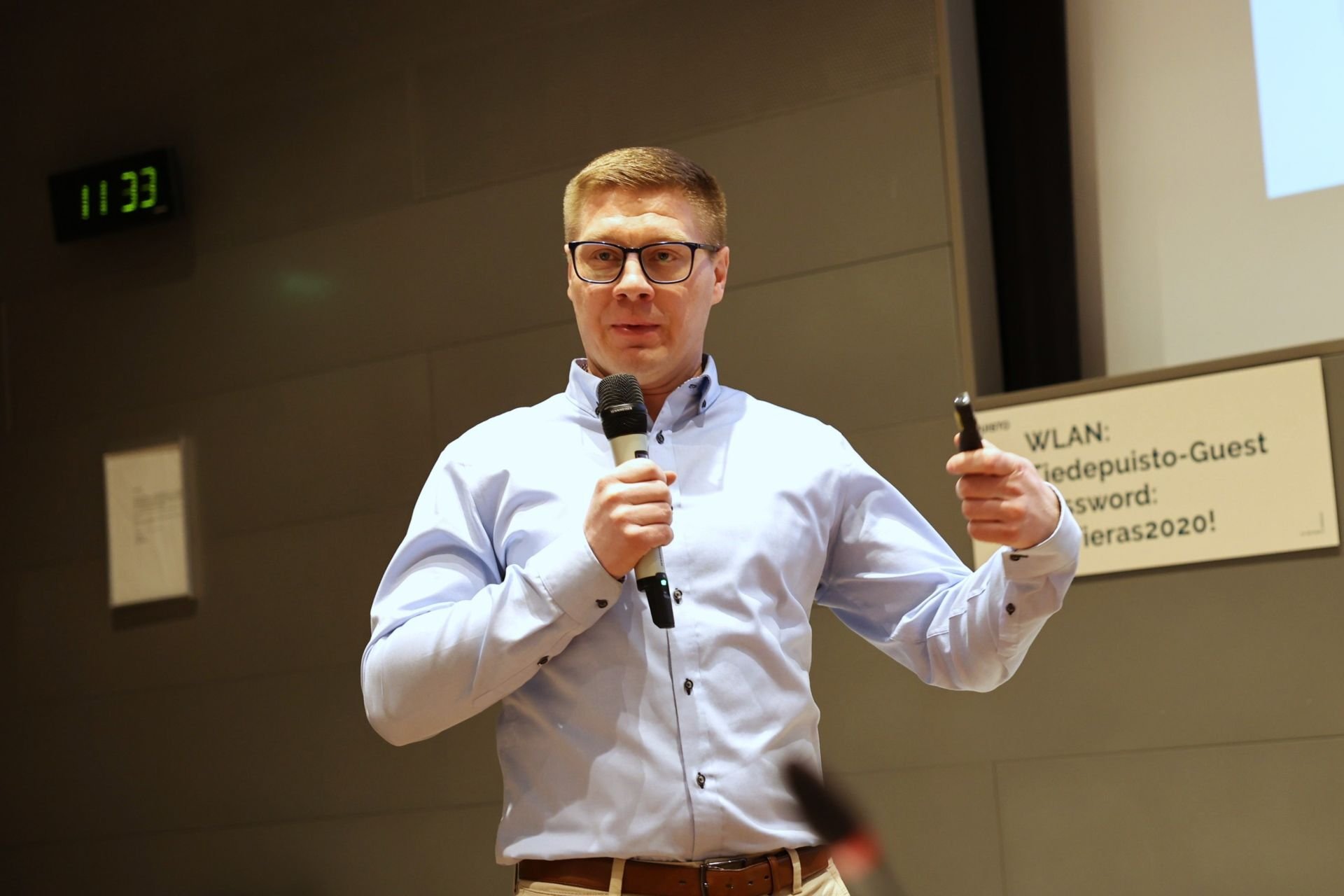
Joonas Tahvanainen, Kodia
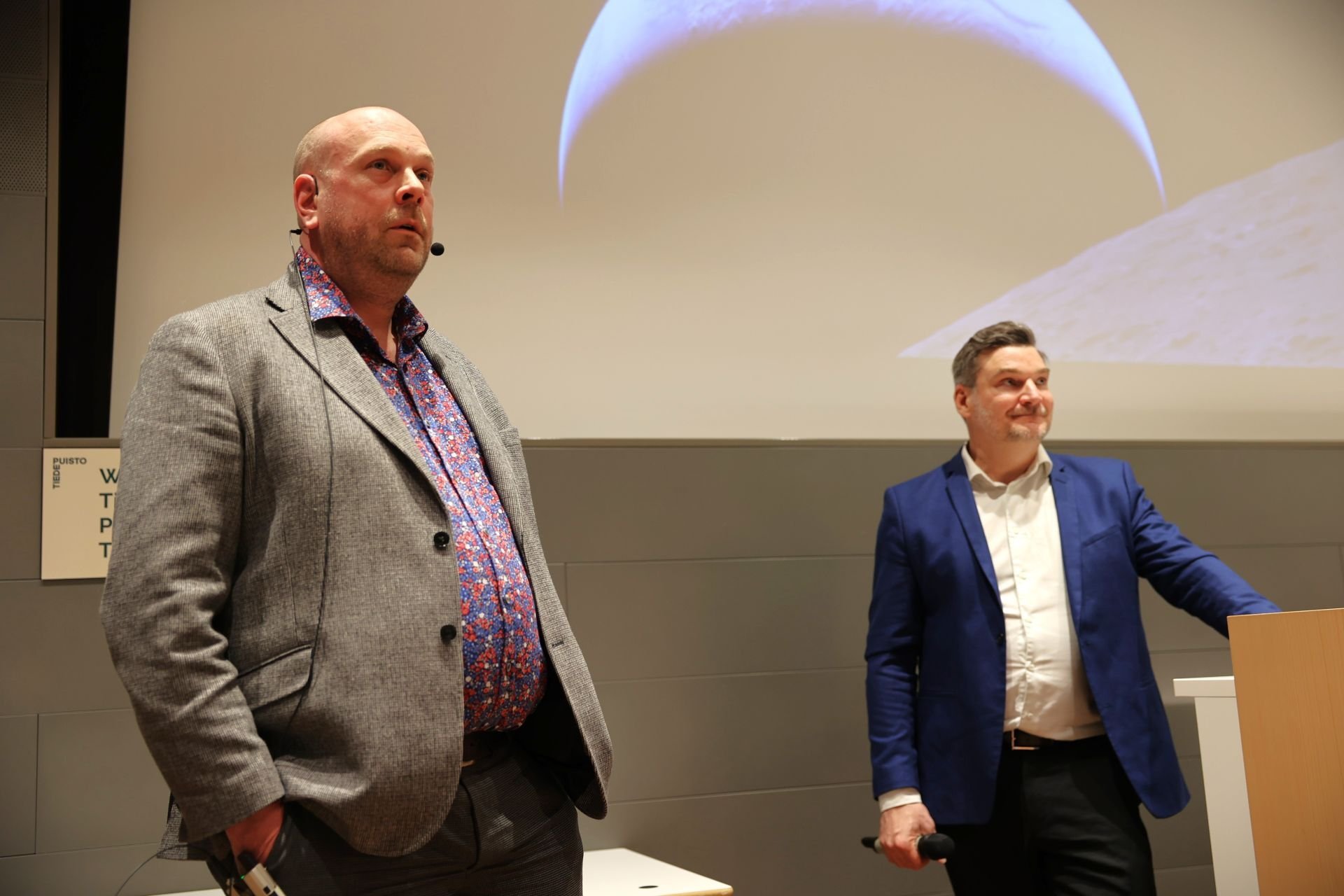
Jani Akkila, Process Genius ja Mikko Järvilehto, Business Joensuu
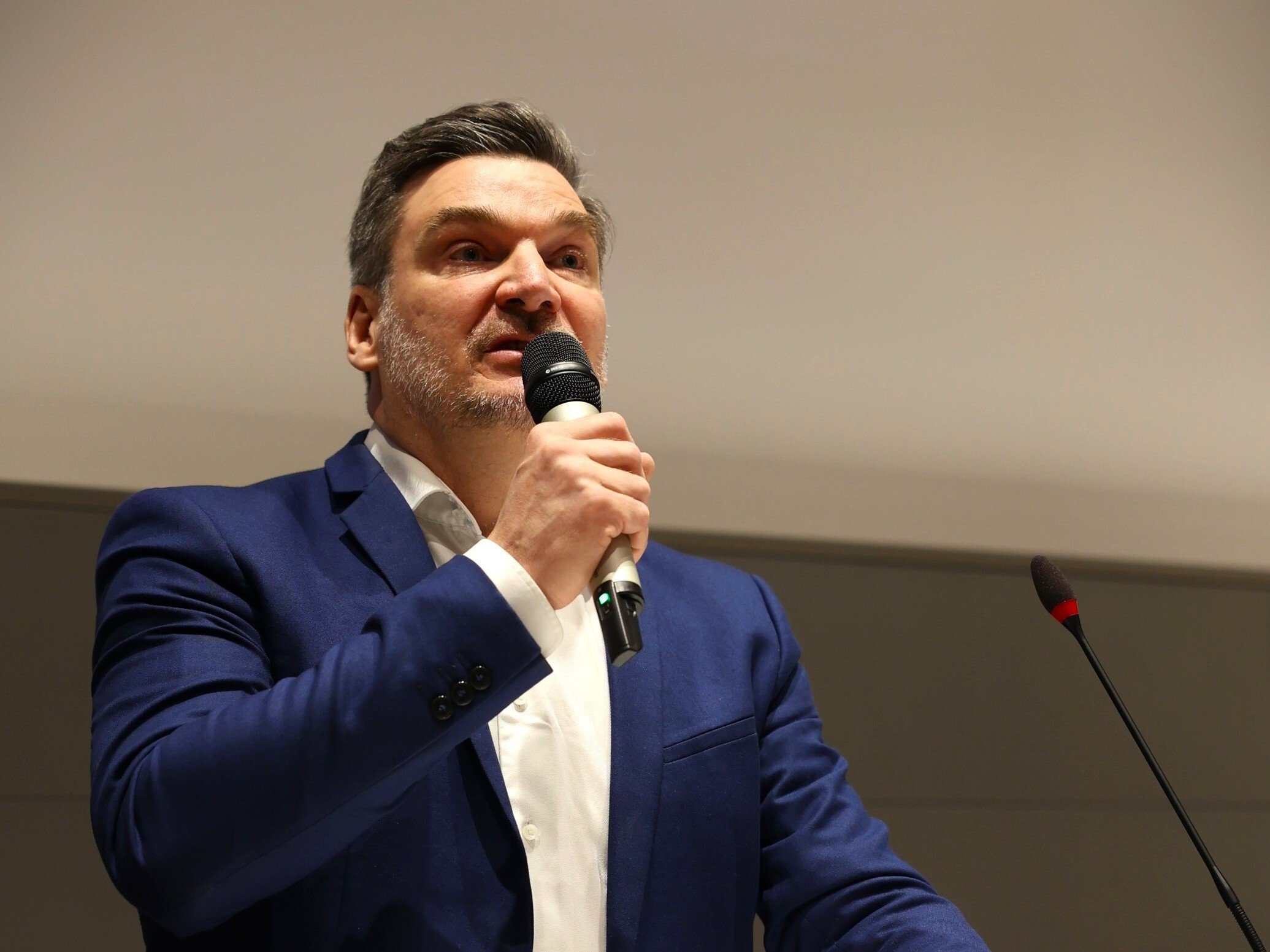 Mikko Järvilehto, Business Joensuu